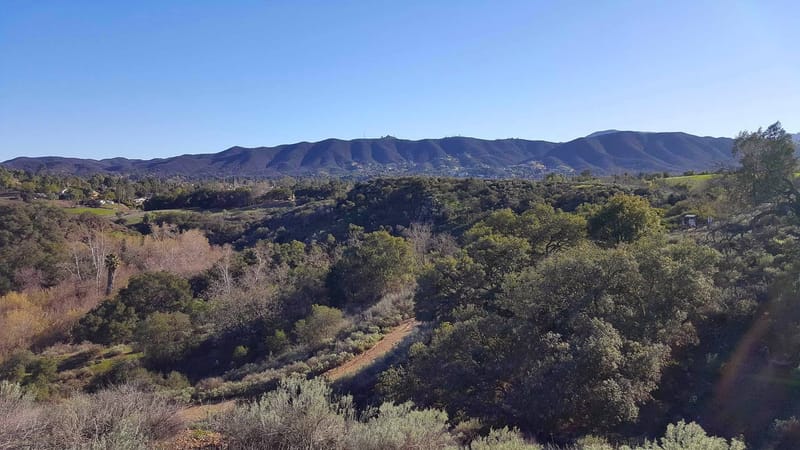
If you're planning to sell your home in Newbury Park in 2026, you're entering a shifting market. In Newbury Park, homes sold for a median price of $999,000 in February 2026, with properties averaging 41 days on the market compared to 35 days in February 2025. Six more days is a modest shift, but it tells you buyers have a little more leverage than they did a year ago. Part of Thousand Oaks in the Conejo Valley, Newbury Park draws buyers with its open space, well regarded schools, and a workable commute to the major employment centers. Understanding Newbury Park's unique market dynamics, from HOA considerations to micro-neighborhood variations, is what separates a clean sale from months of price reductions.
Key Takeaways
- Newbury Park homes sold for a median price of $999,000 in February 2026, representing a 9% decrease from February 2025.
- Properties in Newbury Park averaged 41 days on market in February 2026, six days longer than the 35 days a year earlier.
- Single family list prices per square foot rose 1.93% and condo list prices per square foot rose 9.38% as of February 2026.
- The most recent inventory figure cited here (an 11.2% drop between November and December 2024) is dated and partly seasonal, so confirm current supply before you set a price.
- The price range for single family homes in Newbury Park spans from $769,000 to $3.14 million, reflecting diverse housing stock options.
Selling a home in Newbury Park in 2026 requires pricing according to current market data: homes sold at a median of $999,000 in February 2026, a 9% decrease year over year, with 41 average days on market, six days longer than 2025. Single family list price per square foot rose 1.93%, while condo list price per square foot rose 9.38%.
What Are Current Market Conditions in Newbury Park?
The Newbury Park market in early 2026 is sending mixed signals. In February 2026 the median price was $999K, down 9% from February 2025, and the median was $510 per square foot, down 2% year over year. Still, 106 homes sold in February 2026, up from 98 a year earlier, so buyers are active; they are just paying less. Homes receive about one offer on average, which makes this a somewhat competitive market rather than a bidding war. The last inventory figure available when this was written (an 11.2% drop between November and December 2024) is dated and partly seasonal, so check current supply with your agent before pricing.
| Metric | Current Value | Year-over-Year Change |
|---|---|---|
| Median Sales Price | $999,000 | -9% |
| Price per Square Foot | $510 | -2% |
| Days on Market | 41 days | +6 days |
| Homes Sold (February) | 106 | +8 |
| Inventory Change | -11.2% | Nov to Dec 2024 |
What makes Newbury Park different from neighboring Conejo Valley cities is its position as part of Thousand Oaks while maintaining distinct characteristics. The homes are more affordable, the temperatures are cooler, and the lots tend to be bigger compared to other parts of Thousand Oaks. Nearby markets such as Westlake Village can behave quite differently, so do not assume a Westlake comp tells you what your Newbury Park home is worth. Those larger lots also make many Newbury Park properties strong candidates for building an ADU in the Conejo Valley, adding rental income potential or space for extended family.
How Should I Price My Newbury Park Home?
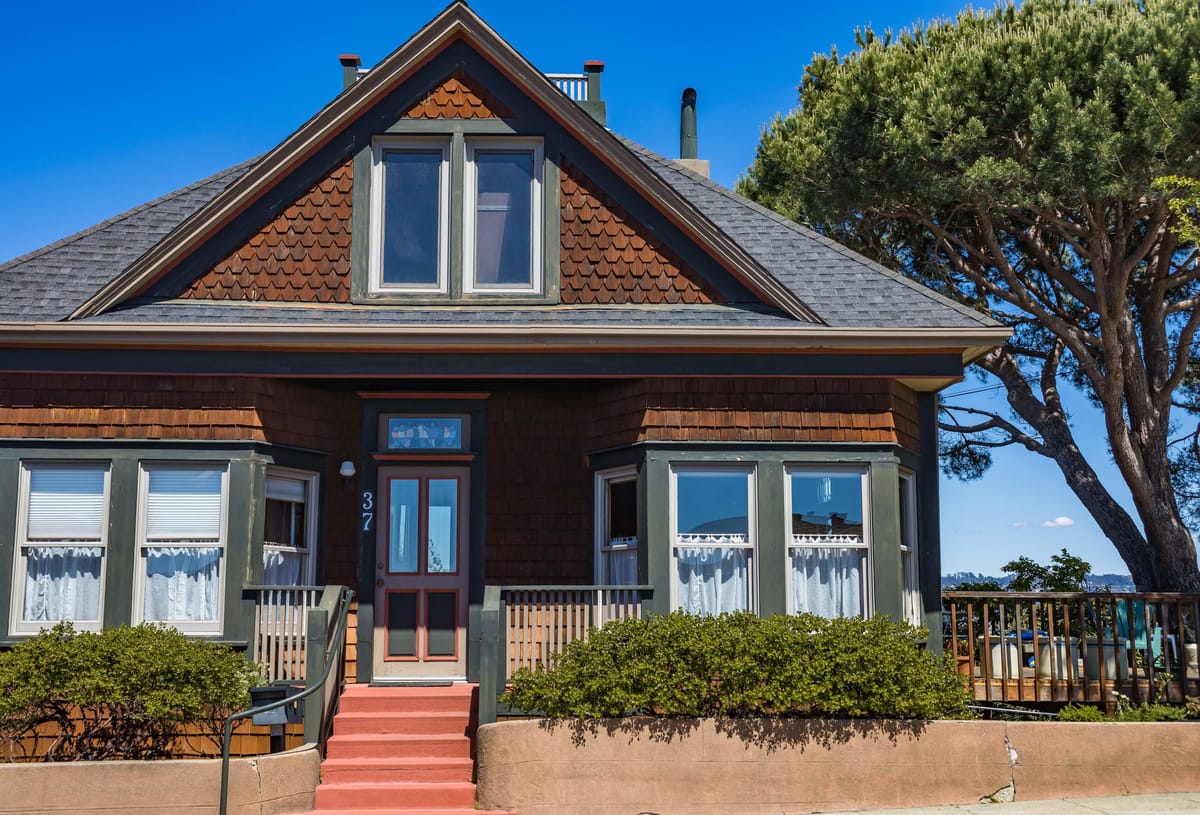
Pricing in Newbury Park comes down to the micro-market, not the citywide average. Comparing your home to sales across the whole area can hide the factors that actually decide price, days on market, and the appraisal. Key considerations: Property type: List price per square foot for single family homes rose 1.93% while condo list price per square foot rose 9.38% as of February 2026, so condos appear to be on a different demand curve than detached homes. Location: Two similar homes can trade very differently when one sits on a Dos Vientos view street and the other sits in an older tract closer to the freeway. Small differences in lot usability, fire exposure, or HOA coverage move both value and appraisals. Price range: Single family listings in Newbury Park ran from $769K to $3.14M as of February 2026, which shows how little a citywide median says about any one house. HOA and Mello-Roos: These add to the buyer's monthly payment, which shrinks the pool of buyers who qualify at your list price and puts direct pressure on what the home can sell for. Appraisal risk: Appraisers try to stay inside the same micro-market and prefer sales from the last three to six months. When those comps are thin, as they often are for hillside and view homes, appraisal risk grows.
How Long Does It Take to Sell a Home in Newbury Park?
The honest answer is that it depends on price, condition, and positioning. The average Newbury Park home took 41 days to sell as of February 2026, and well priced homes in sought after pockets go pending faster, around 33 days, typically near list price. Pre-market preparation (two to four weeks): Staging, minor repairs, and professional photography usually take two to four weeks before you go live. Escrow and closing (30 to 45 days): A standard California escrow runs 30 to 45 days once you accept an offer; cash buyers can close faster. Seasonality: The weather does not shut the market down in any month, but spring and early summer typically bring more family buyers timing a move around the school calendar.
What Mistakes Do Newbury Park Sellers Make?
Overpricing in a changing market: With the median price down 9% and price per square foot down 2% year over year as of February 2026, sellers who anchor to last year's sales start too high. Price to your micro-market and to recent closings, not to what a neighbor got in 2025. Ignoring HOA and Mello-Roos disclosure: California requires specific disclosure of Mello-Roos and other special assessments, and a missed or sloppy disclosure can derail a transaction or come back on you after closing. Your agent and escrow handle the forms, but confirm the details with a real estate attorney if your situation is unusual. Misreading the micro-market: A micro-market is a tight slice of Newbury Park where homes share similar age, lot profile, amenities, and location. Each one behaves differently, and sellers who price off the wrong pocket usually misprice. Marketing to the wrong buyer: Newbury Park is a family market, and Census data bears that out. Marketing that does not speak to family buyers misses the largest segment. Neglecting fire risk disclosure: Third party risk models put essentially every Newbury Park property at some wildfire risk over the next 30 years. Pull the CAL FIRE hazard map and your current insurance terms early so neither surprises a buyer mid escrow.
Why Choose a Local Newbury Park Real Estate Expert?
Micro-market knowledge: Pockets of homes with similar age, lots, amenities, and location behave differently on pricing, days on market, and appraisals. An agent who works these streets knows which comps an appraiser will accept and which ones a buyer's agent will attack. HOA and Mello-Roos fluency: Some Newbury Park communities carry layered fees: a master association, a sub association, and a Mello-Roos assessment on top. A local agent can explain to buyers what each one covers, which matters when the payment math gets tight. School knowledge: Buyers ask about Newbury Park High School, Sequoia Middle School, and elementaries like Banyan and Cypress, and they want specifics on boundaries and programs rather than a generic "great schools" line. Safety: Low crime is one of the area's strongest selling points, and Thousand Oaks regularly lands near the top of national safest city lists built from FBI crime data.
Which Newbury Park Neighborhoods Command Premium Prices?
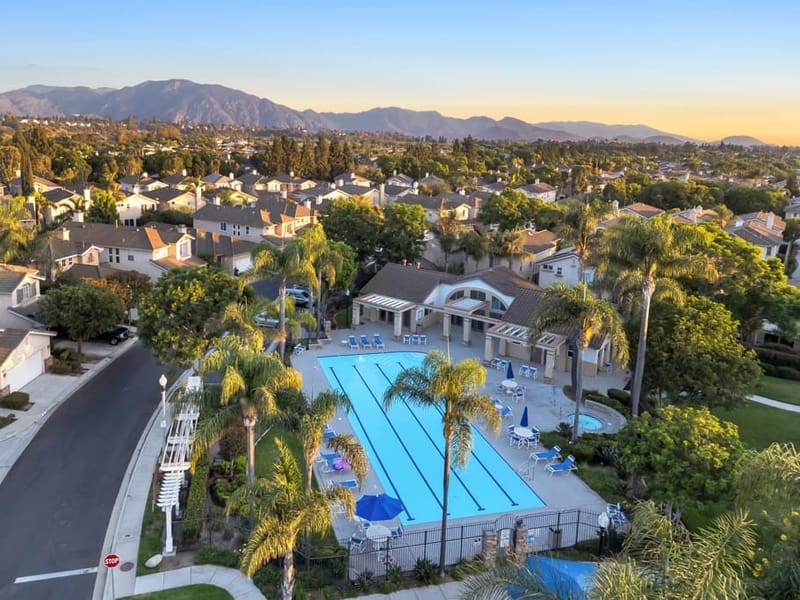
Dos Vientos: On the western edge, largely built from the late 1990s through the 2000s, with a mix of townhomes, planned tracts, and some gated sections. Newer construction here typically commands a premium. View properties: Homes with mountain or valley views consistently command a premium over otherwise similar homes on interior streets. Gated communities: Most gated communities with HOAs here also carry Mello-Roos, but buyers often accept the higher carrying cost in exchange for security and amenities. Age restricted communities: The 55+ segment, such as Ventu Estates, draws a specific buyer pool, so pricing there follows its own comps rather than the broader market. Newer construction: As a rule of thumb, homes built before the early 1990s usually do not carry Mello-Roos and homes built after 2000 usually do. Newer homes still tend to price higher on layout and finishes, but the assessment is part of the buyer's math, so confirm your parcel's status with the county or your title company. School proximity: Homes within walking distance of Newbury Park High School tend to command a premium for convenience and the school's reputation.
Frequently Asked Questions About Selling in Newbury Park
What's the best time of year to sell in Newbury Park?
The weather keeps buyers active year round. Spring and early summer typically see increased activity as families time moves around school schedules.
How do HOA fees and Mello-Roos affect my sale?
They raise the buyer's monthly payment, which shrinks the pool of buyers who can qualify at your price and puts direct pressure on what the home sells for. The upside is that Mello-Roos typically paid for the infrastructure, parks, and school facilities that make these neighborhoods desirable, so a good agent presents the assessment as part of what the buyer is getting rather than a surprise.
Should I be concerned about wildfire risk affecting my sale?
Plan for it rather than worry about it. Risk models put essentially every property in Newbury Park at some wildfire exposure over the next 30 years, so this is a shared condition, not a mark against your home. It does mean required disclosures and, increasingly, insurance questions from buyers. Have your fire hazard zone status and current insurance information ready before you list.
What makes Newbury Park different from other Conejo Valley cities for sellers?
The homes are more affordable, the temperatures are cooler, and the lots tend to be bigger compared to other parts of Thousand Oaks. Demand holds up because of the low crime, good schools, and access to trails and open space, plus plenty of activities with kids. Compared with Calabasas and Agoura Hills, buyers generally get more house and lot for the money here, which is the angle your listing should lead with.
How important is staging for selling in Newbury Park?
Very important, and more so in a slower market. With homes averaging about one offer, you are usually not choosing between bidders; you are trying to earn one serious buyer's best number, and presentation does that work. Stage for the way people live here: outdoor space, light, and room for a family. Your marketing can mention nearby draws like Conejo Valley Botanic Garden, Wildwood Regional Park, and local spots such as Spumoni and Country Harvest, but the house itself has to carry the showing.
If you are weighing a sale, the first useful step is an honest read on where your home sits in its micro-market. Davis Bartels has closed 500+ transactions since 2009 across the Conejo Valley communities, Newbury Park included. If a valuation would help your planning, reach out at davisbartels.com or (805) 341-6125.
Thinking About Buying or Selling in Newbury Park?
Davis Bartels and the DB Real Estate Group have closed 500+ transactions in the area since 2009. If any of this applies to your situation, happy to talk it through, no pressure.
Contact Davis: davisbartels.com