

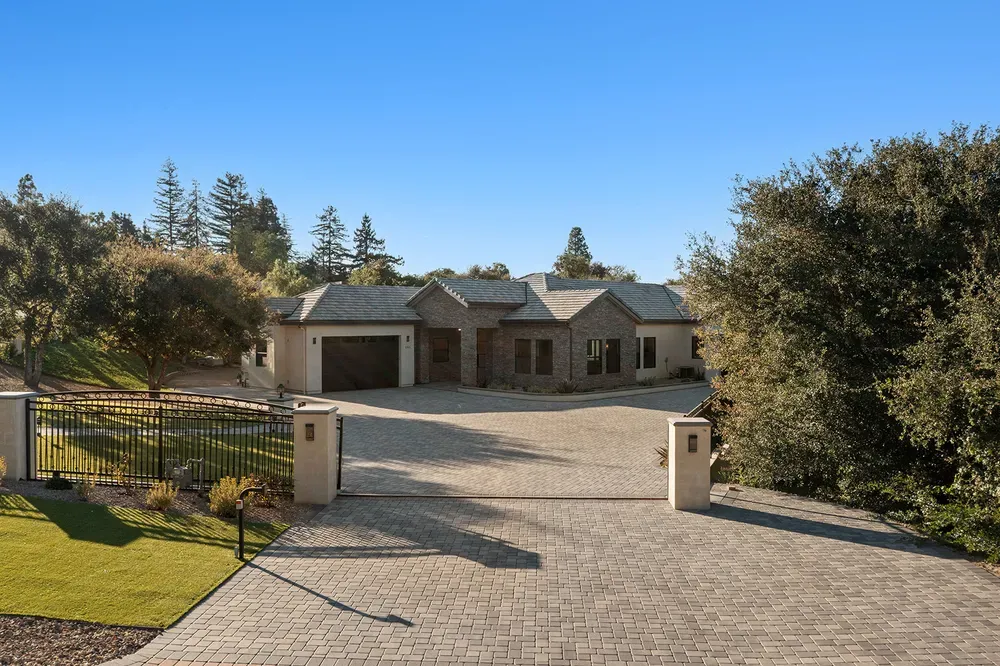
Buying your first home in the Conejo Valley is a big decision at any price, and prices here are not small. With Westlake Village's median sale price at $1.6M and Thousand Oaks at $1.0M (early 2026 figures), this guide lays out the questions worth asking and the market data worth knowing before you write an offer. For context, the median price across the Conejo Valley as a whole was $1,116,250 in November 2025.
Source: Redfin, Zillow, Movoto, March 2026
Key Takeaways
- Westlake Village median home prices reached $1.6 million in March 2026, representing a 26.7% increase from the previous year.
- Thousand Oaks homes sold for a median price of $992,000 in February 2026, requiring approximately $180,000 annual household income with 20% down.
- Current California mortgage rates are 6.65% for 30-year fixed loans and 6.02% for 15-year fixed mortgages as of March 2026.
- Conejo Valley Unified School District shows 54% math proficiency and 66% reading proficiency, with Westlake High School considered the most well-rounded program.
- Homes in the Conejo Valley take an average of 59 days to go pending and sell for about 2% below list price.
Median home prices in the Conejo Valley vary widely by city as of early 2026: Westlake Village reached $1.6 million (up 26.7% year over year), Thousand Oaks was $992,000 to $1.0 million, Ventura County averaged $870,000, and Ventura City was $815,000. Mortgage rates stood at 6.65% for 30 year fixed loans and 6.02% for 15 year fixed loans.
What is the median home price in Westlake Village in 2026?
The median sale price of a home in Westlake Village was $1.6M in March 2026, up 26.7% from a year earlier, making it one of the most expensive markets in Ventura County. The figure depends on the source and the method, though: Movoto reported a median sale price of $1,575,000 in January 2026, while Zillow put the typical home value at $1,415,067, down 4.6% over the past year. Medians in a small, high-end market swing with the mix of homes that happen to sell in a given month, so treat any single figure as a snapshot rather than a trend.
Price per square foot adds useful context. The median sale price per square foot in Westlake Village is $600, down 8.3% from a year earlier. Paired with a rising median sale price, that suggests larger homes made up more of the recent sales, not that any given house got cheaper. Other sources put the median sales price near $1.67 million and the average sales price closer to $2.58 million, a gap that shows how much the top of the market pulls the average up.
Pace matters too. The typical Westlake Village home sells for about 1% below list price and goes pending in around 58 days. Well-priced, well-presented homes move faster, selling around list price and going pending in roughly 34 days. The homes that sit are usually the ones priced for a market that no longer exists.
How much house can I afford in the Conejo Valley?
Affordability is the first question most first-time buyers ask, and the answer starts with rates. As of March 2026, California rates averaged 6.65% for a 30-year fixed mortgage and 6.02% for a 15-year fixed, and even a quarter point moves the monthly payment on a seven-figure loan noticeably. Rates have moved since this was written, so run the numbers with a current quote from your lender.
Take a typical Westlake Village home. In February 2026 the median list price was $1.58M. With 25% down, you would need roughly $8,470 a month to cover housing expenses, and if that is 35% of your gross monthly income, your household would need to earn about $290K a year. Lenders often allow a total debt-to-income ratio up to about 43%, but keeping housing costs closer to a third of income leaves room for the rest of life.
The broader Conejo Valley is more forgiving. Thousand Oaks homes sold for a median price of $992,000 in February 2026, which changes the math considerably. For a $992,000 home with 20% down, you'd need approximately $5,200 monthly for principal, interest, taxes, and insurance, requiring a household income of roughly $180,000 annually. First-time buyers are still finding affordable options in the Conejo Valley by carefully selecting neighborhoods and property types.
| City | Median Price | 20% Down | Monthly P&I (6.65%) | Est. Total Monthly | Required Income |
|---|---|---|---|---|---|
| Westlake Village | $1,600,000 | $320,000 | $8,210 | $10,500 | $292,000 |
| Thousand Oaks | $992,000 | $198,400 | $5,090 | $6,500 | $181,000 |
| Ventura County Avg | $870,000 | $174,000 | $4,460 | $5,700 | $159,000 |
What are the school ratings in Conejo Valley neighborhoods?
School quality carries a real price premium in the Conejo Valley. Westlake Village schools are highly regarded and highly sought after, and the Thousand Oaks side has excellent schools as well, though not uniformly. Families should understand attendance boundaries and ratings before falling for a house.
Conejo Valley Unified School District serves students across 28 schools. According to state test scores, 54% of students are at least proficient in math and 66% in reading, well above California averages.
CVUSD is also home to Westlake High School, which many local parents consider the most well-rounded high school in the Conejo Valley, strong across academics, athletics, performing arts, and electives. For a closer look at how Conejo Valley high schools are ranked, including the differences between districts, see the linked breakdown.
Elementary school quality varies by neighborhood. Sycamore Canyon School serves kindergarten through eighth grade on one campus and is the highest-rated school in the Dos Vientos area on GreatSchools, with a 9/10 overall rating. With 17 elementary schools in the district, scores range quite a bit, so check the specific school for any address you are serious about.
How long does the home buying process take in Ventura County?
Across the broader Conejo Valley, the typical home sells for about 2% below list price and goes pending in around 59 days, while the most sought-after homes sell for around list price and go pending in about 32 days. How quickly you can act once the right house appears depends mostly on preparation done before it does.
Once you are under contract, closing typically takes 45 to 60 days. The search before that is less predictable. In November 2025 it took 65 days on average to sell a Conejo Valley home, 15 more than the prior year. Longer market times generally give buyers more room to negotiate, though well-priced homes still draw quick offers.
Inventory matters too. November 2025 ended with 444 homes for sale, up 23% (83 homes) from the prior November. More inventory means more choice for buyers and points toward a more balanced market, where both sides need realistic expectations.
What questions should I ask before making an offer?
Before submitting any offer, ask your agent for recent comparable sales and the current sale-to-list ratio for that specific area. Westlake Village homes have been selling about 1% below list, versus about 2% below across the wider Conejo Valley, and on a seven-figure purchase that spread alone is worth tens of thousands of dollars.
Then get specific about the property. Ask about HOA dues, which are not always obvious in listing descriptions, along with recent price reductions, property condition, and the seller's motivation. For a rent-versus-buy comparison, average rents in Westlake Village hover around $3,094 a month, well below the monthly carrying cost of a median-priced home there.
Contingency questions protect you once you are in contract. Understand inspection timelines, appraisal contingencies, and financing deadlines. The 30-year fixed-rate mortgage averaged 6.38% as of March 26, 2026, and rates move weekly, so ask your lender about rate locks and backup financing. Verify all carrying costs, including property taxes, insurance requirements, and any pending special assessments.
Neighborhood questions give you the long view. Westlake Village is reported to have a violent crime rate 74% lower than the California average, but look past the headline number at specific area trends, planned development, and commute patterns. Ask about seasonal issues (wildfire exposure and insurance availability are the big ones here), utility costs, and internet service if you work from home. Many families are making the jump from apartment living in LA to a backyard in Thousand Oaks, and amenities like the Conejo Valley Botanic Garden and the Thousand Oaks Civic Arts Plaza are part of the appeal. Just weigh them after the fundamentals, not before.
Frequently Asked Questions About First-Time Buying in the Conejo Valley
What's the minimum down payment required in 2026?
Most conventional loans allow as little as 3 to 5% down, and FHA loans allow 3.5%, though pricing varies with down payment size and credit. For homes above conforming loan limits (common in Westlake Village), jumbo loans typically require 10 to 20% down. Conventional loans with less than 20% down carry private mortgage insurance, which typically adds roughly $200 to $400 a month. Loan programs and limits change, so confirm current terms with a lender.
How competitive is the Conejo Valley market currently?
The Thousand Oaks housing market is somewhat competitive, scoring 60 out of 100, and Westlake Village is similar, with higher dollar stakes. Expired listings doubled to 100 for the month, versus 50 a year earlier, a sign of a gap between what sellers want and what buyers will pay. That gap is an opening for a prepared buyer with realistic expectations.
What are typical closing costs in Ventura County?
Expect roughly 2 to 3% of the purchase price in closing costs, including loan origination fees, title insurance, escrow fees, and prepaid items. On a $1.2M Conejo Valley home, that is $24,000 to $36,000. Property taxes run approximately 1.1 to 1.3% of the purchase price annually; a prorated share, and often an impound account, is collected at closing rather than a full year up front. Homeowners insurance varies by location and wildfire risk, typically $1,500 to $3,500 a year for standard coverage. Confirm the tax picture with your CPA and ask your escrow officer for a detailed estimate before you remove contingencies.
Should I wait for interest rates to drop further?
Rates have come down from the late 2023 peak near 8 percent, and at the time this was written most forecasts had them holding between 6 and 7 percent through 2026. Waiting for a better rate has a cost of its own: when rates drop, more buyers come off the sidelines and prices tend to firm, so a lower rate on a higher price is not automatically a win. You can refinance a rate later. You cannot go back and buy the house you passed on. If you are weighing this trade-off, it is worth a conversation with a lender and with an agent who knows the local inventory.
Thinking About Buying or Selling in the Conejo Valley?
Davis Bartels and DB Real Estate Group have closed 500+ transactions in this market since 2009. If any of this applies to your situation, happy to talk it through, no pressure either way. And once you have keys in hand, dinner at The Stonehaus or an afternoon at The Promenade at Westlake is a reasonable way to celebrate.
Contact Davis: davisbartels.com
