
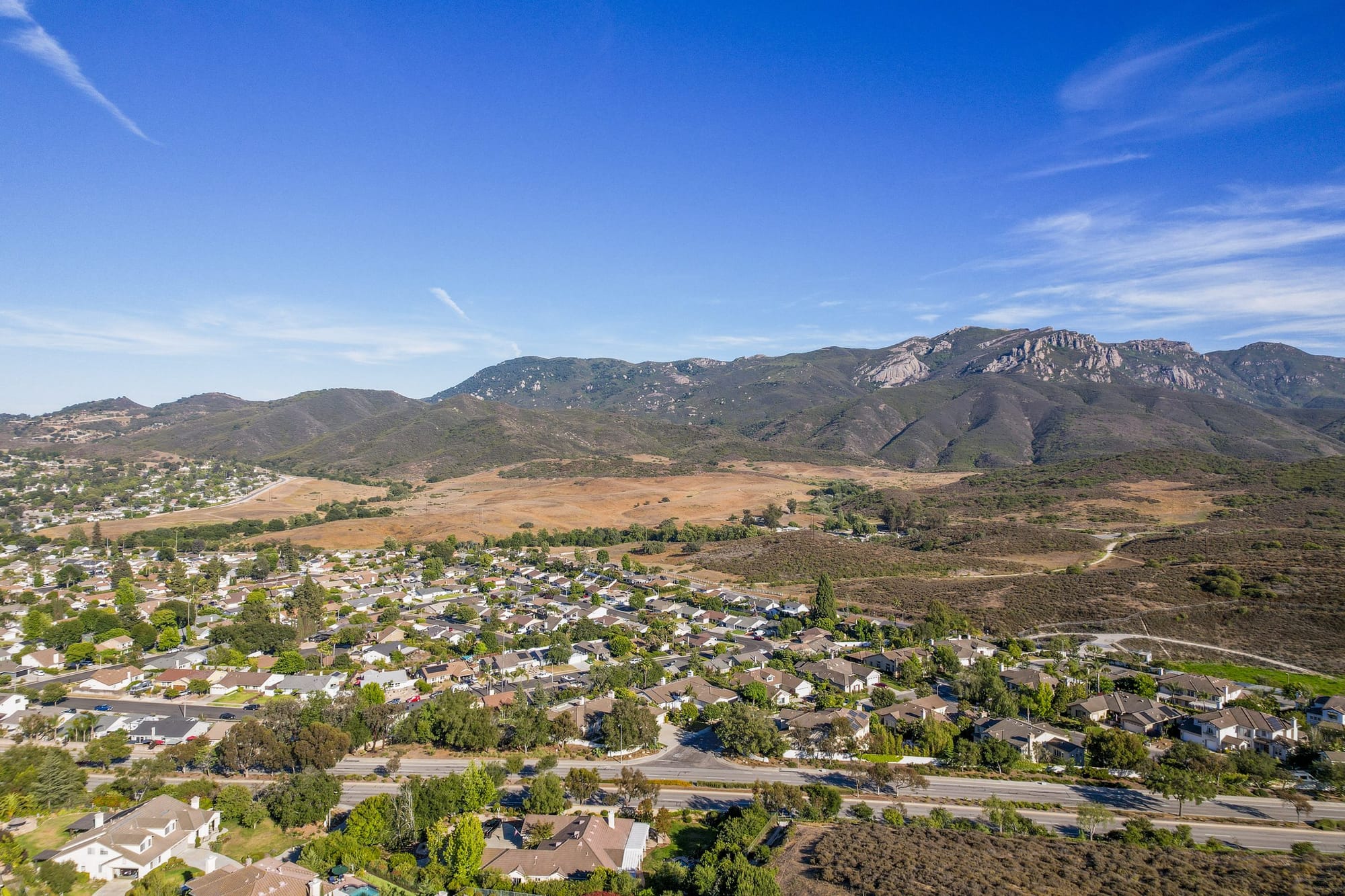
After 500+ transactions since 2009, I've had the same conversation with more Conejo Valley clients than I can count: "Davis, should we wait for rates to come down?" or "Maybe we should hold off until prices drop?" Let me share some real estate timing advice based on what actually happens when my clients stop waiting and start acting in markets like this one.
Key Takeaways
- Conejo Valley median home prices increased from $1,085,000 in November 2023 to $1,116,250 as of spring 2026, so buyers who waited now pay more for the same home at roughly the same rates.
- Homes in Conejo Valley average 65 days on market with 444 active listings, up 23% from last year, while expired listings doubled to 100 unsold homes.
- Westlake Village's March 2026 median sale price was $1.6 million, up 26.7% year over year, while the Thousand Oaks median dropped 16.3% to $1.0 million.
- Mortgage rates were forecast to ease toward 6.0% in 2026 from about 6.2% in the spring, but home price appreciation often erases the monthly savings from a modest rate drop.
Waiting for a "perfect" market in the Conejo Valley often costs buyers money. Median home prices rose from $1,085,000 in November 2023 to $1,116,250, while homes now average 65 days on market and inventory increased 23% year over year, giving prepared buyers more negotiating leverage than those delaying purchases in anticipation of lower rates or prices.
Why Waiting for the "Perfect" Market Actually Hurts Your Bottom Line
In November 2023, I worked with a family who decided to wait for "better rates" instead of buying a home in Conejo Valley when the median price was $1,085,000. Today the median is $1,116,250, an increase of over $30,000 with mortgage rates virtually unchanged. Their wait-and-see strategy bought them nothing but a higher price for the same home. Homes in the Conejo Valley are taking an average of 65 days to sell, up 29% from last year, which gives buyers more negotiating power than they've had in years. Yet many are stuck in analysis mode, waiting for a market condition that rarely materializes. Inventory is up 10 to 23% year over year depending on the submarket, the kind of balanced conditions that favor prepared buyers. When I see these numbers, I tell my clients: this is opportunity, not a reason to wait. The real cost of waiting is often higher than any savings from timing the market perfectly. I've watched families rent for another year in Westlake Village at $4,500 per month ($54,000 a year) while hoping for a rate drop that would save them a few hundred dollars a month. The math doesn't work, and as I've told my Westlake Village clients about waiting for 5% interest rates, this approach often costs more than it saves.
What Does the Current Market Data Actually Show for Conejo Valley Buyers?
The median sale price of a home in Westlake Village was $1.6M last month, up 26.7% since last year , while Thousand Oaks median sale price was $1.0M last month, down 16.3% since last year . This data tells us that location and property type create vastly different market conditions within the same valley.
Source: MLS Data, Redfin, Zillow, March 2026
Homes in Westlake Village typically sell in 58 days, at about 1% below list price. Across the broader Conejo Valley, homes are selling for about 5% below asking on average. Buyers have real negotiating power right now. Expired listings have nearly doubled compared to last year, meaning sellers are being forced to price realistically or not sell at all. Active listings total 444, compared to 361 this time last year, while expired listings doubled to 100 unsold homes vs 50 last year. That is a clear opening for buyers who know how to use the extra inventory to their advantage.
| City | Median Price | Days on Market | Year-over-Year Change |
|---|---|---|---|
| Westlake Village | $1,600,000 | 58 days | +26.7% |
| Thousand Oaks | $1,000,000 | 54 days | -16.3% |
| Conejo Valley Avg | $1,116,250 | 65 days | +2.9% |
When Do Market Conditions Actually Align for Smart Buyers?
This spring, the week of April 12 to 18, 2026 was nationally projected as one of the strongest listing windows of the year, with more buyer traffic and less competition. Windows like that are short, and they are not really the point. Lower rates don't bring buyers back all at once; they come back gradually, and as more of them accept that this may be as good as it gets on rates for now, competition increases. In my experience, the best buying conditions occur when three factors align: inventory gives you real choice (444 homes for sale, up 23% year over year), sellers price realistically because the market makes them, and financing costs stabilize, even if not at historic lows. Mortgage rates were forecast to drift toward 6.0% in 2026 from about 6.2% this spring. Waiting for rates to drop to 4% or 5% means missing years of homeownership and equity building for a monthly payment difference that's often offset by rising home prices. One example: in February 2024, John and Sarah wanted to wait for rates below 6%. They finally bought in January 2026 at 6.1%, but the same model home they had originally considered had gone up $45,000. Whatever they saved on the rate was erased by appreciation. This is exactly why I'm telling my Conejo Valley clients to rethink their 2026 move timeline.
How Does Strategy Beat Market Timing?
Instead of timing the market, successful buyers focus on their personal timing and execution strategy. The homes that sell fast and for top dollar are the ones that are professionally prepared, realistically priced, and marketed to today's selective buyers. The same principle applies in reverse. The most successful purchases happen when buyers get pre-approved with more than one lender so they know their true buying power, focus on neighborhoods with strong fundamentals (schools, commute, lifestyle), understand the micro-markets within the Conejo Valley, and work with an agent who negotiates hard in this environment. Well-priced homes in areas like Newbury Park and Westlake Village still move faster than the valley average, and updated homes with strong school access hold durable demand. Rather than waiting for perfect conditions, I encourage clients to perfect their approach. This means understanding exactly why they want to move, what neighborhoods genuinely fit their lifestyle, and how much home they can comfortably afford at current rates. One practical alternative to waiting on rates: buy a home with room to renovate or expand. In areas like Westlake Village, plenty of buyers purchase good bones and customize over time, building equity and the house they actually want at the same time.
What Competitive Advantages Exist Right Now for Prepared Buyers?
Right now, buyers generally have the upper hand in the Conejo Valley. Homes are taking longer to sell and prices are more negotiable, which means less pressure to act and more leverage than buyers have had in quite some time. That shows up in three specific ways. Negotiation power: homes are selling for about 5% below asking on average, a real shift from the bidding wars of recent years. Prepared buyers can negotiate repairs, closing costs, and even seller-paid rate buy-downs. Choice: inventory is up 10 to 23% year over year depending on the area, so you're choosing among several good options rather than settling for the only one available. Less competition: buyers are showing up more cautiously and are willing to wait until the right home clicks, which is also why I'm telling my Conejo Valley clients to act now in the spring 2026 market. Local spots like Mastro's Steakhouse in Thousand Oaks and The Stonehaus in Westlake Village are as busy as ever. The lifestyle that makes the Conejo Valley desirable isn't changing; what has changed, for now, is that buyers have more selection and more say. For families considering the area, the contrast in pace and quality of life compared to Los Angeles remains a major draw. The fundamentals behind long-term values in communities like Agoura Hills and Thousand Oaks neighborhoods like Conejo Oaks haven't weakened. And beyond the numbers, this is still a relationship business; Santa's stop to visit DB Group and our clients was a good reminder of that.
Frequently Asked Questions About Real Estate Timing in the Conejo Valley
Should I wait for mortgage rates to drop below 6% before buying?
Rates were forecast to drift toward 6.0% in 2026 from about 6.2% this spring. Waiting for them to fall further risks missing months of ownership while prices can keep moving against you. A 0.5% rate difference on a $1M loan equals roughly $300 monthly, but waiting six months could mean paying $20,000+ more for the same home.
How long are homes actually sitting on the market in 2026?
Conejo Valley homes are taking an average of 65 days to sell, up 29% from last year, with 444 active listings compared to 361 last year. That extra time gives buyers a significant edge in negotiations and selection compared to the rapid-fire markets of 2021 and 2022.
Are home prices still rising in Westlake Village and Thousand Oaks?
The data varies significantly by area. The Westlake Village median sale price was $1.6M in March 2026, up 26.7% from a year earlier, while the Thousand Oaks median was $1.0M, down 16.3%. Monthly swings that size usually reflect the mix of homes that sold, but the point stands: micro-markets behave differently, so neighborhood selection matters more than overall market timing.
What's the best month to buy in the Conejo Valley?
The week of April 12 to 18, 2026 was nationally projected as one of the strongest listing windows of the year, but the best time to buy is when your situation, your financing, and the right property line up. Spring typically offers more inventory, but also increased buyer competition as weather improves and families plan summer moves.
Want to Talk Through Your Own Timing?
In my experience, the buyers who do well focus on strategy, not timing. If any of this applies to you, I'm happy to discuss your specific situation and create a plan that works in any market condition.
Contact Davis: davisbartels.com
