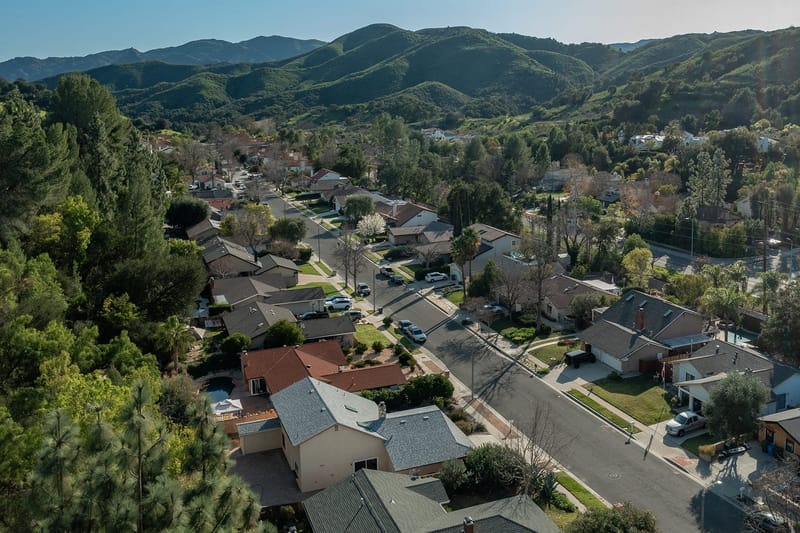
If you're planning to sell your home in Simi Valley, you're working in one of Ventura County's steadier real estate markets. With a modest 0.4% increase in median sale prices to $865,000 and 781 home sales in Simi Valley during 2025, according to market data, the market is balanced rather than hot, which rewards sellers who price to local conditions.

Key Takeaways
- Simi Valley home prices reached a median of $825,000 to $865,000 as of Q1 2026, up 0.4% to 4.4% year over year.
- Wood Ranch commands roughly a 38% premium, with a single family median of $1,225,000 versus $885,000 citywide.
- Homes sell in an average of 63.5 days citywide, with condos moving faster at 54 days on market.
- The market shows a 99.2% sale to list price ratio, indicating sellers must price accurately in the balanced market.
- Four bedroom homes dominate sales with 355 transactions at $966,397 average, representing 45% of all sales activity.
Selling a home in Simi Valley in 2026 requires accurate pricing in a balanced market, where the median sale price is $825,000 to $865,000, up 0.4% to 4.4% year over year. Homes sell in an average of 63.5 days, with a 99.2% sale to list price ratio. Wood Ranch commands a 38% premium at $1,225,000 median.
What Are Current Market Conditions in Simi Valley?
The Simi Valley housing market in 2026 presents a balanced environment for sellers. As of Q1 2026, with 90 active listings and 67 pending sales, the market maintained healthy inventory levels that served both buyers and sellers. This represents a 74% ratio of pending to active listings, indicating strong buyer interest. Current pricing data reveals that in January 2026, Simi Valley home prices were up 4.4% compared to last year, selling for a median price of $825K. Price per square foot told a similar story: as of Q1 2026 the median was $497, up 4.7% from the previous year, so values kept edging up even as overall activity leveled off.
| Market Metric | Current Data | Year-Over-Year Change |
|---|---|---|
| Median Home Price | $825,000 to $865,000 | +0.4% to +4.4% |
| Price per Square Foot | $497 | +4.7% |
| Days on Market | 54-64 days | +12 days vs. previous year |
| Active Inventory | 90 listings | Stable, balanced market |
| Sale-to-List Ratio | 99.2% | -1.1% (more realistic pricing) |
That 99.2% sale-to-list ratio tells you buyers are paying close to asking, but not over it. What sets Simi Valley apart is stability and relative value. The city's significantly lower overall crime rate (15.55) compared to the national average (33.37) and highly rated public schools continue to attract buyers seeking family-friendly communities.
How Should I Price My Home in Simi Valley?
Successful pricing in Simi Valley requires understanding both overall market trends and specific neighborhood dynamics. The current market rewards accurate initial pricing, as evidenced by the 99.2% sale-to-list ratio. Property type pricing: As of Q1 2026, the median sale price for single family homes is $885,000, while townhomes have a median price of $725,000. Condominiums start at a median price of $388,500 for one bedroom units and $497,500 for two bedrooms. Neighborhood premiums: Wood Ranch commands higher prices, with a single family median of $1,225,000. That is roughly a 38% premium over the citywide single family median, reflecting the area's highly rated schools, including Wood Ranch Elementary School, and its status as one of Simi Valley's safest neighborhoods. Central and East Simi Valley show different pricing dynamics. In December 2025, Central Simi Valley home prices were up 2.4% compared to last year, selling for a median price of $850K, while East Simi Valley home prices were down 4.1% compared to last year, selling for a median price of $793K. As of Q1 2026, data showed variation across neighborhoods. The median sale price per square foot in Central Simi Valley is $508, up 3.2% since last year, while East Simi Valley came in at $584, up 19.7%. A jump that large alongside a lower median sale price usually points to a shift in which homes sold rather than a true swing in values, so treat it with caution. Of the 781 sales in 2025, a quarter closed under $775,000 (195 homes), half landed between $775,000 and $1,000,000 (391 homes), and a quarter closed above $1,000,000 (195 homes). That top quarter shows the city supports a real high-end segment, not just a handful of outliers.
How Long Does It Take to Sell a Home in Simi Valley?
Timeline expectations vary significantly based on property type, price range, and specific location within Simi Valley. Homes sell in 63.5 days city-wide, though this varies by neighborhood and price point. In Central Simi Valley, homes sell in 78.5 days, while East Simi Valley homes sell in 72.5 days. Condos spend 54 days listed before being sold on average, potentially moving faster than single-family homes due to their lower price points and appeal to first-time buyers. Average homes sell for about 1% below list price and go pending in around 64 days. Hot homes can sell for around list price and go pending in around 36 days. This suggests that well-priced, desirable properties can sell significantly faster than the market average. A realistic timeline: two to four weeks of pre-market preparation, 54 to 78 days of active marketing depending on neighborhood, and 30 to 45 days of escrow, or roughly three to five months from decision to close.
What Mistakes Do Simi Valley Sellers Make?
Overpricing based on peak market memory: Many sellers remember the rapid appreciation of recent years and expect the same. The slide in the sale-to-list ratio from 100.33% to 99.19% says the market has moved from clearly favoring sellers to something closer to balanced. Ignoring neighborhood-specific dynamics: Two homes a few streets apart can price very differently based on lot, product type and size, even within the same community. Underestimating carrying costs: Property taxes keep accruing until you close. Ventura County's effective property tax rate is 0.69%, and local assessments and voter-approved bonds often bring the total to between 1.1% and 1.3%, according to the Ventura County Assessor. On a $700,000 home at 1.2%, that is about $8,400 a year, prorated at closing. Talk to your CPA about how the sale itself affects your tax picture. Inadequate marketing for your property type: Four-bedroom homes led with 355 sales averaging $966,397, or 45% of all transactions. If you own one, you are competing in the busiest segment, which means presentation and positioning matter more, not less. Overlooking wildfire disclosure: Risk models put essentially every Simi Valley property (40,374 of them) at some wildfire risk over the next 30 years. Disclose properly, and expect buyers to ask about insurance availability and cost before they write an offer.
Why Work with a Local Simi Valley Expert?
Simi Valley is not one market. Anyone can look up that Wood Ranch trades at a premium; a local agent knows which streets and subdivisions within Wood Ranch perform best and why. Buyer demand also comes from outside: search data shows 78% of Simi Valley buyers looking to stay within the metro area and 22% looking elsewhere, while inbound interest leads from San Francisco, followed by Boston and Seattle. Knowing who is likely to buy your home shapes how it should be marketed. Schools drive a lot of family demand here, and a local agent knows which attendance boundaries move property values and positions a home accordingly. The same thinking applies in nearby markets like Conejo Valley and Newbury Park.

Which Simi Valley Neighborhoods Command Premium Prices?
Wood Ranch: On the far west side of Simi Valley, Wood Ranch has been building out since the mid-1980s and is the largest planned residential area in the valley, with custom homes in both gated and non-gated communities. In February 2026, Wood Ranch listings carried a median asking price of $935K (an asking-price snapshot across everything on the market that month, which is why it sits below the $1,225,000 single family sale median above), with one estimate putting the qualifying income around $172K. Simi Valley Unified is graded A-minus by Niche, and Wood Ranch Elementary is consistently over-enrolled, according to GreatSchools ratings. Central Simi Valley: Mostly single family homes from the 1960s and 70s mixed with newer construction. Notable parks include Rancho Tapo and Rancho Simi. It is one of the safer parts of the city, with well-regarded schools. East Simi Valley: A mix of housing, from midcentury ramblers to newer builds. The area has parks, hiking trails, the Simi Hills Golf Course and access to highly rated schools. All of these areas score well on safety, and together they account for most of the homes that come to market.
Frequently Asked Questions About Selling in Simi Valley
What's the best time of year to sell my home in Simi Valley?
The Simi Valley market shows consistent activity throughout the year. As of Q1 2026, data showed encouraging activity with 90 active listings and 67 pending sales. Nothing in the data points to a sharp swing in either direction, so the month you list matters less than pricing and presentation.
How much should I expect to net from my Simi Valley home sale?
Net proceeds depend on your sale price, mortgage balance, and selling costs. With homes selling at a 99.2% sale-to-list price ratio, accurate pricing is crucial. Factor in real estate commissions (negotiable, and worth discussing up front), title insurance, escrow fees and prorated property taxes. Your CPA can walk you through any capital gains exposure before you commit.
What home improvements provide the best return in Simi Valley?
Given that 4-bedroom homes lead with 355 sales averaging $966,397, representing 45% of all transactions, improvements that enhance family functionality tend to perform well. Kitchens, bathrooms and outdoor living spaces that make use of the climate and hillside views tend to hold up best.
Do I need to worry about special assessments or Mello-Roos taxes?
Yes, some Simi Valley properties have special assessments. Local assessments and voter-approved bonds often bring the total tax rate to between 1.1% and 1.3%, including local voter-approved taxes, school bonds, and special assessments. Review your property tax bill and ask your title company or CPA to confirm any ongoing obligations, since buyers will see them in disclosures.
How does Simi Valley compare to neighboring markets for sellers?
Simi Valley generally offers more house per dollar than its Conejo Valley neighbors without giving up much on quality of life: a quiet suburban feel, solid schools, parks and a low crime rate, all within commuting distance of Los Angeles and the coast. If you're exploring nearby options, consider upscale communities like Westlake Village or more rural settings like Agoura Hills for different buyer preferences.
The short version: price accurately for your specific neighborhood, prepare the home properly, and market it to the buyers most likely to want it. Buyers also respond to the lifestyle. Restaurants like Larsen's Grill Simi Valley provide upscale dining experiences, while Beeps Diner offers family-friendly atmosphere. Parks and trails at Rancho Tapo Community Park and other local parks makes this market particularly appealing to active families. The fundamentals are steady: consistent sales volume, balanced inventory and a broad buyer pool. That does not make it a market where anything sells; it makes it one where preparation and realistic pricing get rewarded. Thinking about selling in Simi Valley? Happy to give you an honest read on what your home would likely bring right now. Reach out at davisbartels.com or (805) 341-6125.
Thinking About Buying or Selling in Simi Valley?
Davis Bartels and the DB Real Estate Group have closed 500+ transactions across Ventura County and the Conejo Valley since 2009. If any of this applies to your situation, reach out for a no-pressure conversation.
Contact Davis: davisbartels.com