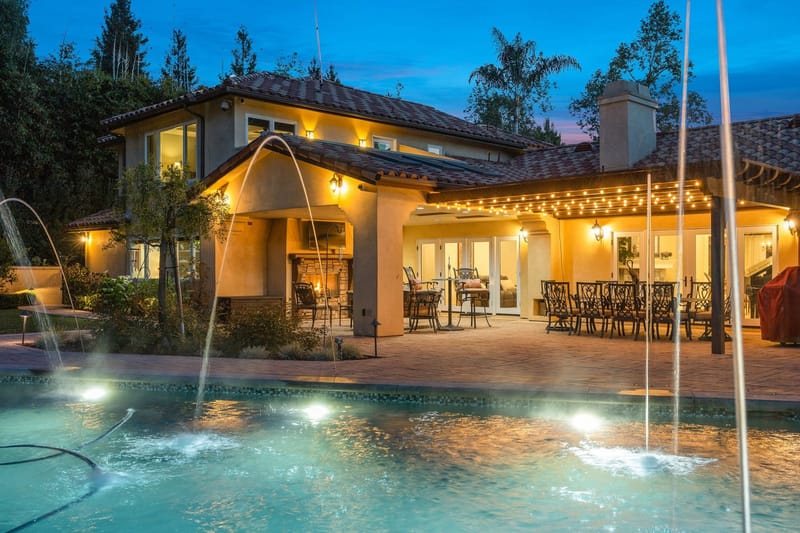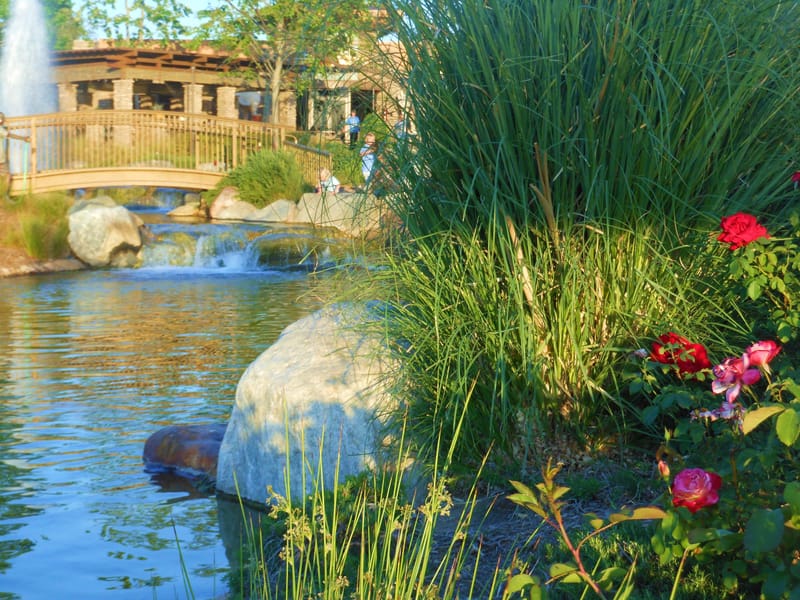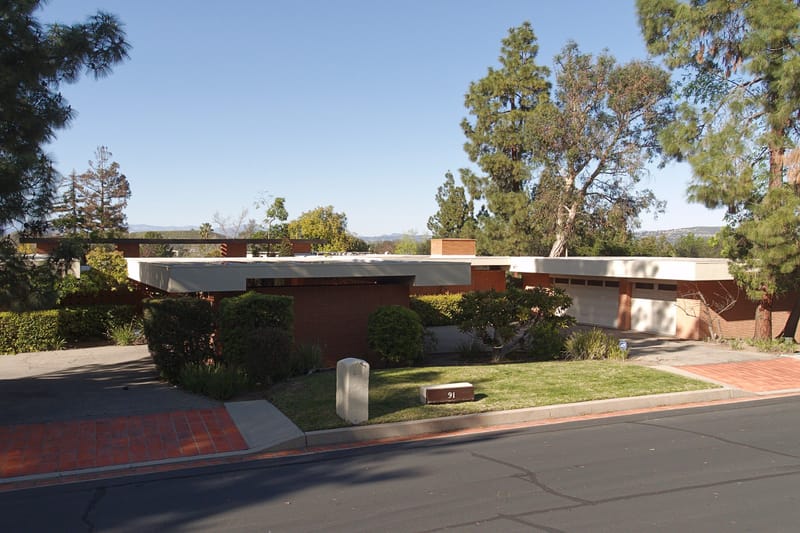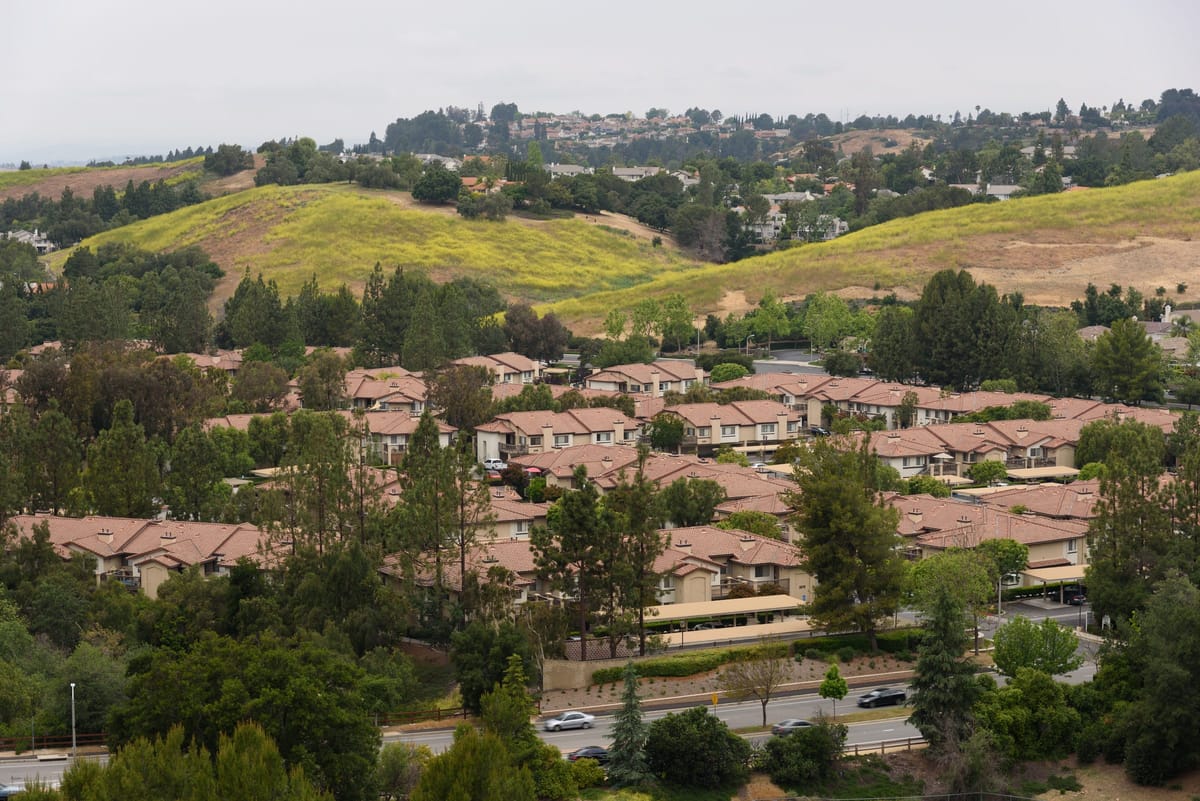
The Conejo Valley has become one of Southern California's more established places for senior living. Roughly 25,589 Thousand Oaks residents are 65 or older, just over 20% of the city's 124,160 people, according to U.S. Census data. Seniors here are not an afterthought; they are a fifth of the neighborhood.
Unlike cities where retirement communities sit in their own isolated zones, the Conejo Valley mixes senior housing into ordinary neighborhoods. You will find independent living near the shops and outdoor dining at Janss Marketplace, assisted living in Westlake Village with resort-style amenities, and memory care facilities with specialized programming, all within the same valley.
Part of the appeal is geography: close enough to Los Angeles for specialist medical care, far enough to keep a quieter, smaller-town feel. Los Robles Regional Medical Center, with a Level II Trauma Center and certified stroke care, means serious medical needs can be handled locally rather than over the hill.
Key Takeaways
- About 25,589 residents aged 65 and older make up roughly 20% of Thousand Oaks' population of 124,160, according to U.S. Census data.
- Assisted living in Thousand Oaks averages $7,965 per month in 2026, significantly higher than the national average of $4,995 monthly.
- Memory care costs range from $9,000 to $10,500 monthly while independent living ranges from $3,500 to $6,000 in the area.
- Thousand Oaks has a median household income of $135,603 with racial demographics of 62.3% White, 20.6% Hispanic, and 8.7% Asian residents.
- Los Robles Regional Medical Center provides specialized senior services including Level II Trauma Center and certified stroke care for valley residents.
The Conejo Valley offers a full range of senior living options, from independent living to memory care, serving a population where 25,589 residents, or 20.36%, are 65 or older. In 2026, assisted living averages $7,965 monthly, memory care ranges from $9,000 to $10,500, and independent living costs between $3,500 and $6,000.
What is the Senior Living Landscape in the Conejo Valley?
The Conejo Valley senior living market carries California prices, though not the extremes of Marin County or Beverly Hills. With roughly a fifth of Thousand Oaks residents 65 or older, the area has built out real infrastructure for aging adults: housing, care, and programming.
The valley covers the full range of care. At the larger end, Sage Mountain offers resort-style senior living for Thousand Oaks, Newbury Park, and Camarillo residents, with views across the valley. At the smaller end, six-bed residential care homes such as Conejo Valley Home Care on Drayton Avenue offer a private-home feel with professional oversight.
Community programming is a real strength. The Goebel Adult Community Center runs classes, special events, excursions, and drop-in programs in a 21,000-square-foot facility with meeting rooms, dining areas, billiards, a putting green, and horseshoe pits. It is the kind of place that keeps people busy, not parked.
Source: Ultimate Senior Resource, Genworth Cost of Care Survey 2026
The demographics explain the market. Thousand Oaks has a median household income of $135,603, and its largest racial and ethnic groups are White (62.3%), Hispanic (20.6%) and Asian (8.7%), according to Census data. A relatively affluent population tends to support smaller, higher-service communities over large institutional ones, and that is the pattern here. If you are weighing a move to the area, I covered where retirees tend to live, what to spend, and how to downsize in a separate post.
What are the Costs for Senior Living in Thousand Oaks in 2026?
Retirement in Thousand Oaks comes at a premium. Assisted living here averages approximately $7,965 per month in 2026, well above the national average of $4,995. That gap tracks the broader cost of living in this part of Ventura County and the proximity of facilities like Los Robles Regional Medical Center.
Context matters, though. Thousand Oaks pricing is in line with neighboring communities like Westlake Village, Calabasas, and Camarillo, so you are paying a regional premium rather than a Thousand Oaks surcharge. Amenities and staffing vary a great deal from one community to the next, which is why averages only get you so far.
| Care Level | Monthly Cost (2026) | What's Included |
|---|---|---|
| Independent Living | $3,500 to $6,000 | Apartment, dining, activities, transportation |
| Assisted Living | $7,965 (average) | Personal care, meals, housekeeping, medication management |
| Memory Care | $9,000 to $10,500 | Specialized dementia care, secured environment, specialized staff |
| Skilled Nursing | $12,524 | 24-hour nursing, medical oversight, rehabilitation |
There is a real spread within the market. The Reserve at Thousand Oaks has been reported at $3,000 to $5,500 per month, averaging about $3,655, below the area average. Belmont Village Senior Living Thousand Oaks runs roughly $4,400 to $8,000, averaging about $5,038. Published pricing changes often, so confirm directly with each community.
On the tax side, California does not tax Social Security benefits, and other retirement income falls into lower brackets for low- and moderate-income residents, which helps some retirees more than others. Tax rules change and every situation is different, so run your own numbers with a CPA before counting on any of this.
Which Neighborhoods Offer the Best Senior Communities in the Conejo Valley?
Location matters more than people expect when choosing senior communities in the Conejo Valley. Communities near Los Robles Regional Medical Center and Thousand Oaks Surgical Hospital put specialists and emergency care minutes away, while central Thousand Oaks around Janss Marketplace keeps shopping, dining, and errands close.
Janss Marketplace, at Moorpark Road and Hillcrest Drive, is the valley's long-running shopping and entertainment hub, with outdoor seating and a splash fountain. Within walking distance are restaurants ranging from Panera Bread and Karma Indian Cuisine to California Fish Grill and Cold Stone Creamery, plus pharmacies and banks.
For a quieter setting, the neighborhoods near the Conejo Valley Botanic Garden and Wildwood Regional Park offer the kind of calm and natural views that tend to suit memory care and assisted living residents. The 33-acre botanic garden sits on natural terrain with California native, Australian, Chilean, Mediterranean, and South African plant collections.
Wildwood Regional Park deserves a mention of its own. It has more than 27 miles of trails, with four principal routes: the Mesa, Moonridge, Wildwood Canyon, and Santa Rosa Trails. The main arteries, including Mesa, Indian Creek, and Wildwood Canyon, are wide enough for seven or eight people to walk abreast, mostly clear of large rocks, and gently rolling, which makes them good for a daily walk rather than a workout.
Access matters for visiting family too. Communities close to the 101 make the drive from the rest of Southern California simpler, and regular visits are easier to keep up when the trip is not a project.
What Makes Thousand Oaks Ideal for Senior Living and Quality of Life?
Beyond the price sheets, retirement in Thousand Oaks has a day-to-day quality that is hard to put in a table: a mild Mediterranean climate, two hospitals in town (Los Robles Regional Medical Center and Thousand Oaks Surgical Hospital), and quiet neighborhoods backed by hills and open space.
The support network is well developed. The Conejo Senior Volunteer Program (CSVP) matches adults 55 and older with local volunteer roles that use their skills. Senior Concerns, at 401 Hodencamp Road, offers in-home assistance, caregiver support, and community programs aimed at keeping people independent longer.
Healthcare is a genuine strength. Los Robles is a licensed 382-bed acute care hospital with the only Level II Trauma Center in eastern Ventura County, an Emergency Department Approved for Pediatrics designation, and certification as both a STEMI-designated heart attack center and a Primary Stroke Center.
For daily routine, the Conejo Valley Botanic Garden at 400 W Gainsborough Road is open seven days a week from 7:00 AM to 5:00 PM and has been there since 1973. Dining runs from casual cafes to white tablecloth, with plenty of places that work for a standing weekly lunch.
Perhaps most importantly, this is a multigenerational town. Roughly 23.8% of residents are under 18 and about 20% are over 65, so seniors share the parks, restaurants, and streets with families rather than living apart from them. The area's low crime rates compared to Greater LA provide additional peace of mind for families evaluating senior living options. For families considering multigenerational living, building an ADU in the Conejo Valley can provide extra space for aging parents while maintaining everyone's privacy.
Frequently Asked Questions About Senior Living in the Conejo Valley
How much does assisted living cost in Thousand Oaks compared to other California cities?
It depends on the source and the year. One published survey puts the Thousand Oaks median around $5,750 per month against a statewide median of $5,250, while the 2026 figures cited above put the local average closer to $7,965. Either way, Thousand Oaks runs above the state median, and above Los Angeles and Santa Maria. Treat any published average as a starting point and get current quotes.
What medical facilities are available for seniors in the Conejo Valley?
Los Robles Hospital & Medical Center in Thousand Oaks is the largest hospital in eastern Ventura County, a 382-bed acute care facility with a Level II trauma center. Service lines relevant to seniors include a cancer center, emergency and trauma, neuroscience and neurosurgery, rehabilitation, and dedicated senior care. Thousand Oaks Surgical Hospital is also in town.
Are there outdoor activities suitable for seniors in Thousand Oaks?
Yes, and more than most people expect. The 2.2-mile loop at Lake Eleanor Open Space is a good spring walk, and Wildwood Regional Park has a 1.9-mile route rated easy with minimal elevation gain, which suits a regular low-impact outing. The Goebel Adult Community Center and the Conejo Valley Botanic Garden round out the options for days when a trail is too much.
How does the Conejo Valley support aging in place?
Several local nonprofits and agencies work together here, including Senior Concerns, Adult Protective Services, and the Ventura County Area Agency on Aging, and they can point families toward veterans benefits, Medi-Cal programs, and estate planning resources. Senior placement advisors also operate in the area and can narrow the search by budget, location, and care needs. If the plan is to stay in your current home, homeowners insurance in the Conejo Valley deserves a fresh look as part of that plan.
Thinking About Senior Living Options in the Conejo Valley?
I have worked with many families on this exact transition since 2009: downsizing a longtime home, timing a sale around a move into a community, or finding a single-level house for a parent. If any of that applies to you, I am happy to talk it through, no pressure.
Contact Davis: davisbartels.com